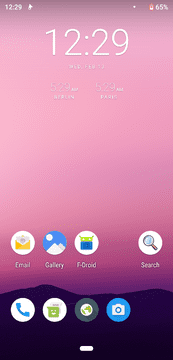
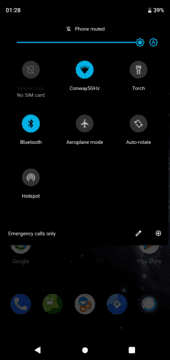
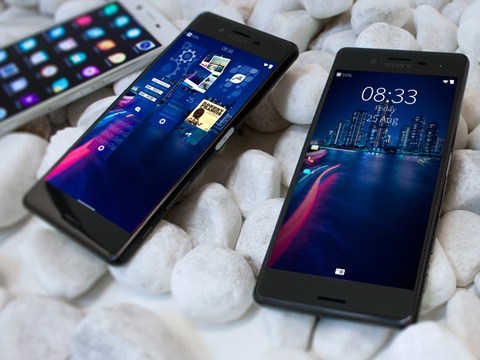
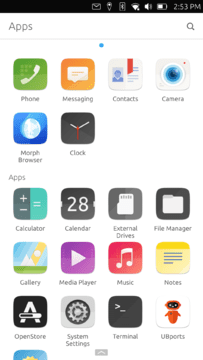
Even though we encourage you to build for your own device - and learn a lot in the process! - we realize that not everyone has the luxury of a fast computer.
This page contains a collection of public builds that the developers in this community provide.
Table of Contents
Turbo Pascal 3, released on September 17, 1986, is widely regarded as one of the most influential development tools in computing history [17]. Created by Anders Hejlsberg and published by Borland, it transformed software development by combining a high-speed compiler, a full-screen editor, and a runtime library into a single, affordable package that could run on machines with as little as 64 KB of RAM [15, 17]. Key Technical Innovations
Turbo Pascal 3 may seem like a relic of the past, but its influence on the programming community is still felt today. Its innovative features, ease of use, and speed made it a beloved language among developers. As we continue to evolve and advance in the world of programming, it's essential to acknowledge and appreciate the contributions of legendary languages like Turbo Pascal 3. turbo pascal 3
program TP3Demo; $O VIDEO Declare overlay file Turbo Pascal 3, released on September 17, 1986,
For the skeptics, here is a complete, working program that uses overlays and direct video access: Its innovative features, ease of use, and speed
Turbo Pascal 3.0, released by Borland in 1985, was more than just a compiler; it was a watershed moment that defined the modern developer's workflow
The influence of Turbo Pascal 3 can still be seen in modern programming languages. Its innovative features, such as OOP support and a comprehensive library, have been adopted by many subsequent languages. The language also played a significant role in shaping the development of the Delphi programming language, which was also developed by Borland.
However, for modern development, it's recommended to use more contemporary programming languages and tools that support object-oriented programming, larger memory spaces, and modern software development practices.
Note: This is an unofficial community page about the Open Devices Project by Sony. For the official website, refer to Open Devices · Sony.com. This page is neither affiliated with nor endorsed by Sony or any of its subsidiaries.