Photo Editor
Photo editor allows you to add a variety of cool aesthetic effects to your photos.

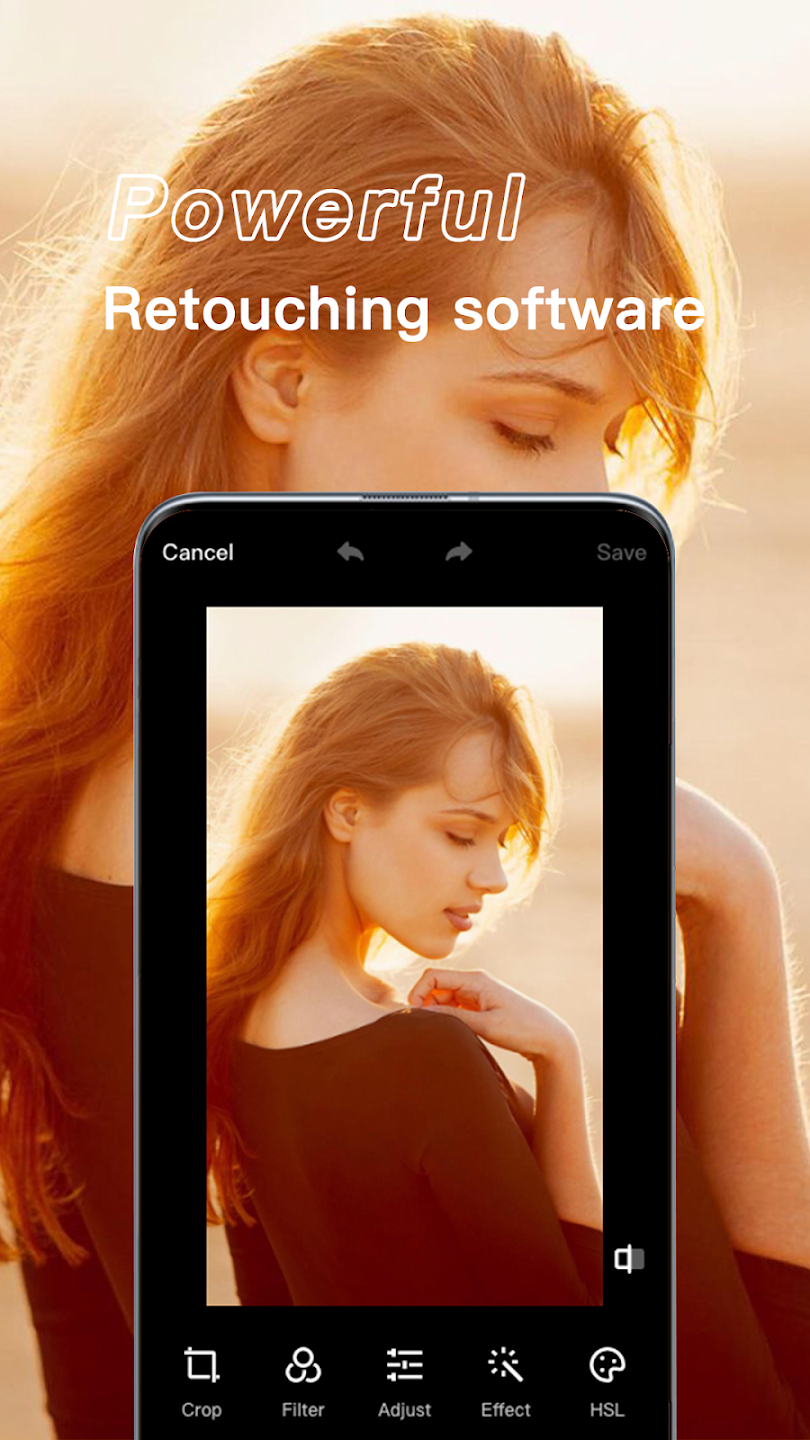
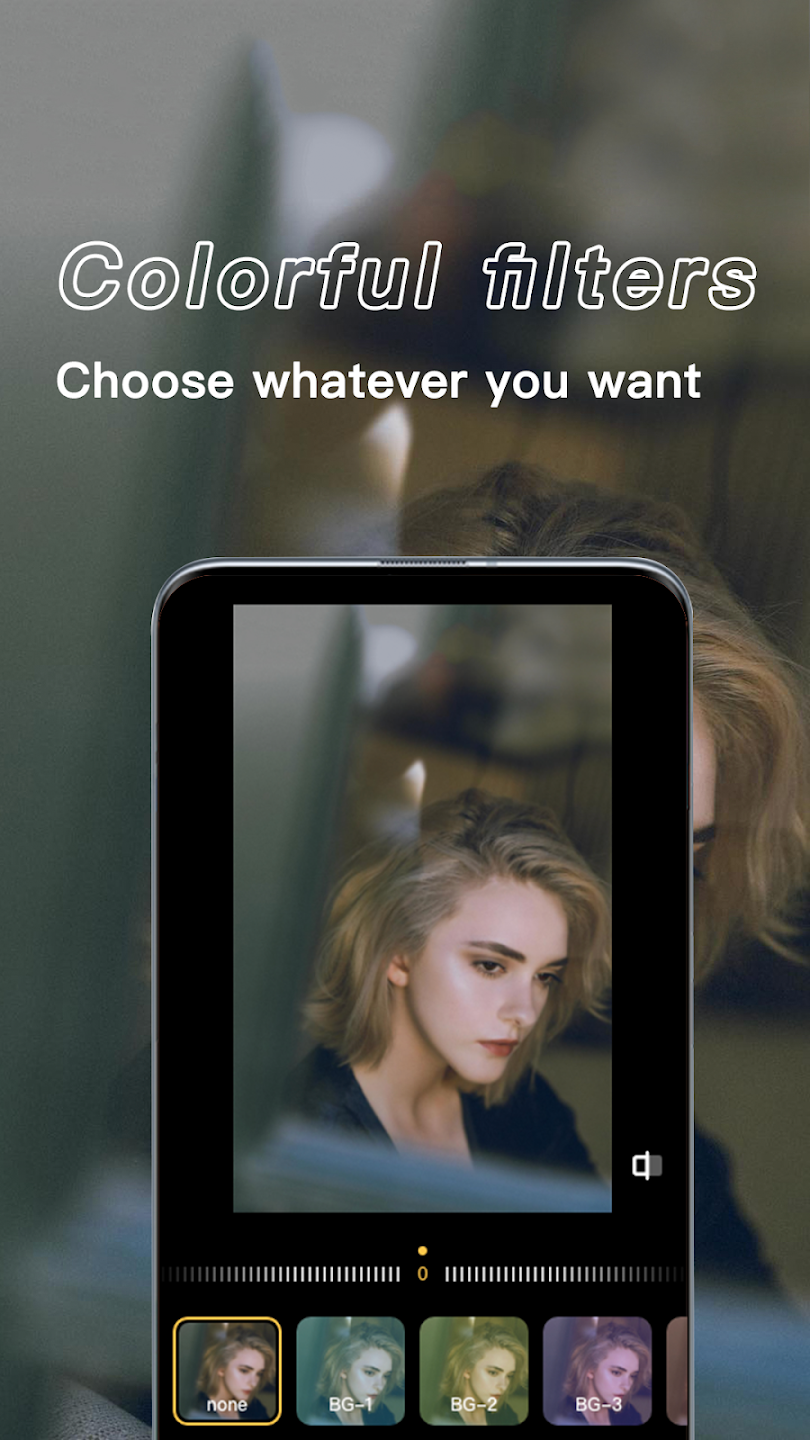
Photo editor allows you to add a variety of cool aesthetic effects to your photos.
The photo editor has advanced blur image brush functionality. It can be used to blur certain parts of a photo to get a DSLR blur effect.
Just select a few pictures and the collage maker will rearrange them into a cool photo collage.
We provide a wide range of templates. Simply select and replace photos to create a beautiful poster-like creation.
You can select multiple photos to create an extra-wide or extra-long stunning image
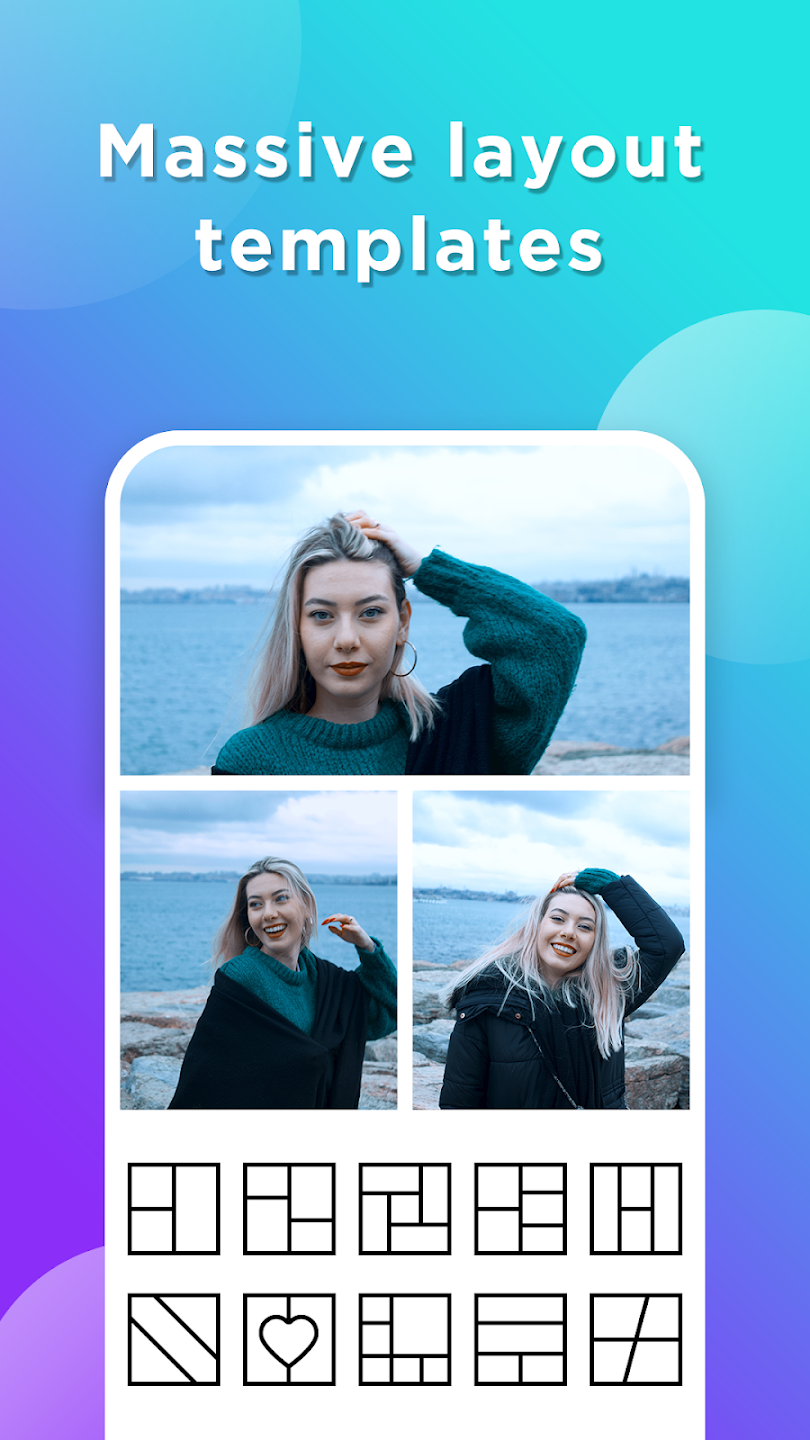
Whether you're a creative enthusiast, social media influencer, or artist, we offer an outstanding platform for collage creation.
Powerful yet simple photo editing tools
Photo collage functionality with multiple layouts and backgrounds
Trendy photo filters and effects
Various artistic fonts
Adjust brightness, contrast, temperature, and saturation
Highlights and shadows
Sharpen and blur
Create photo collages using personalized templates

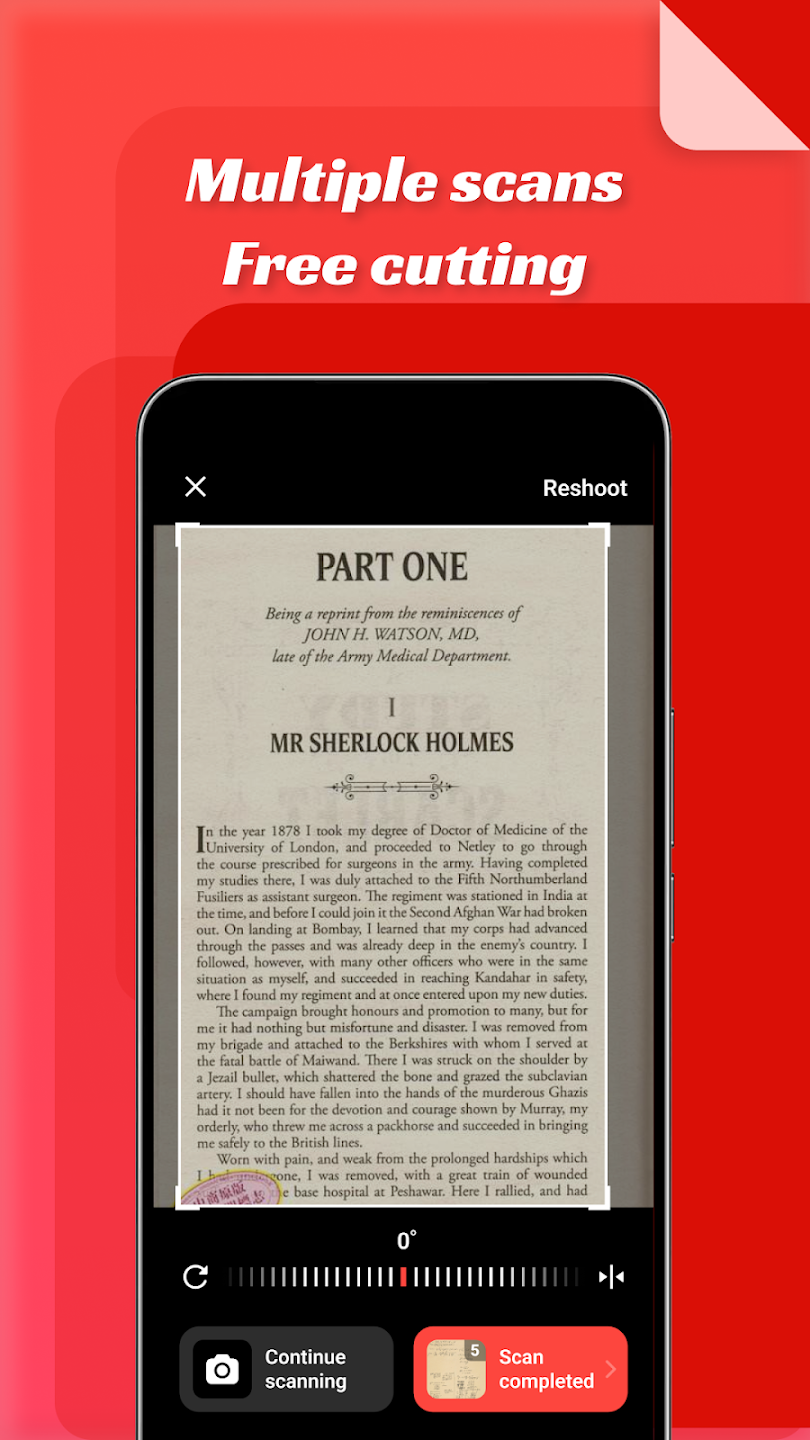
All-in-one scanner that fits in your pocket


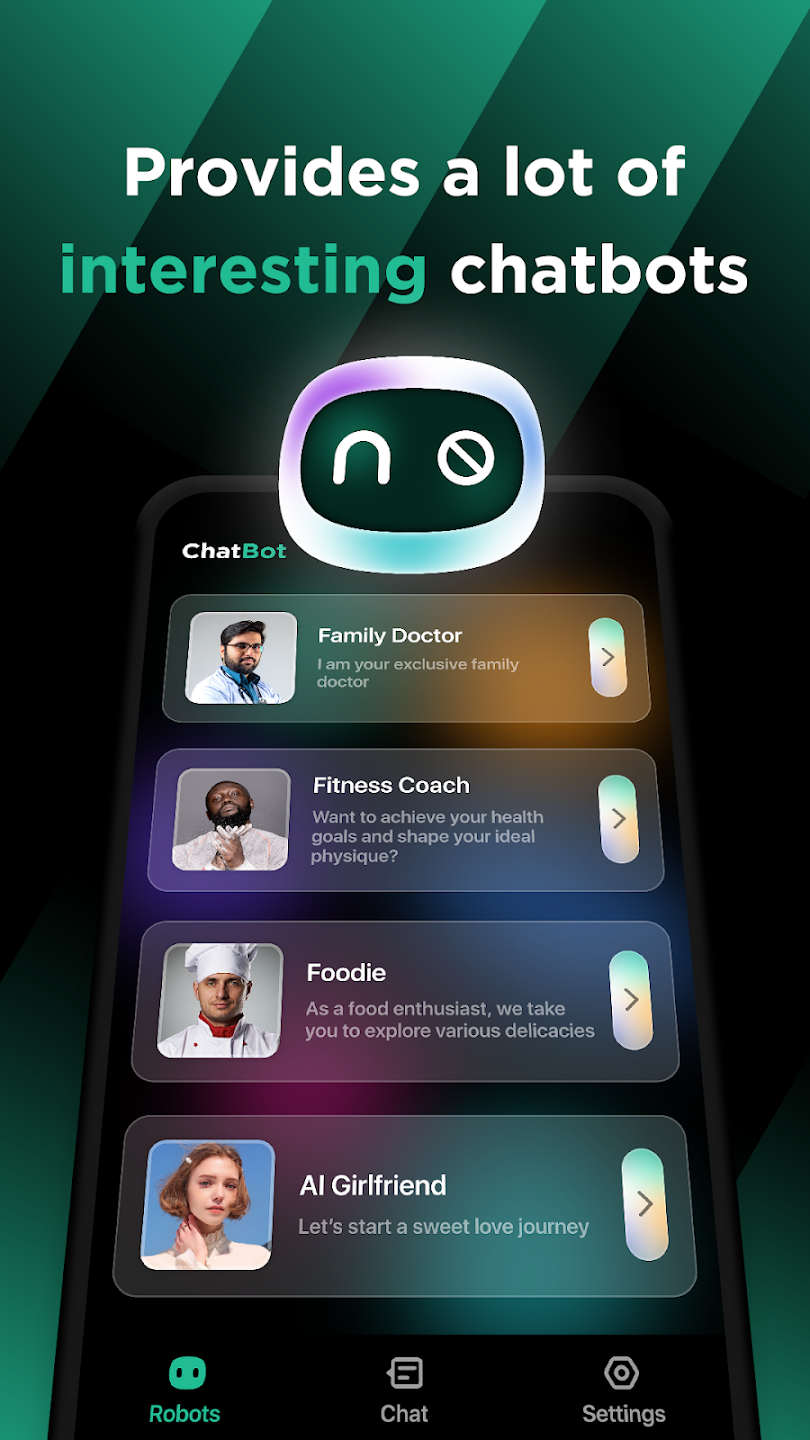
We have developed a mobile app called ChatBot based on Chatgpt technology. The app allows users to use Chatgpt on their phones without needing to create an account or remember a password, making it easy to use.
Whether you want to know the latest news, weather, entertainment, sports, health, food, or any other topics, ChatBot will provide you with the most comprehensive answers and thoughtful suggestions. Chatgpt technology is at the forefront globally and can quickly identify and answer your questions, helping you gain more knowledge and fun in your leisure time.
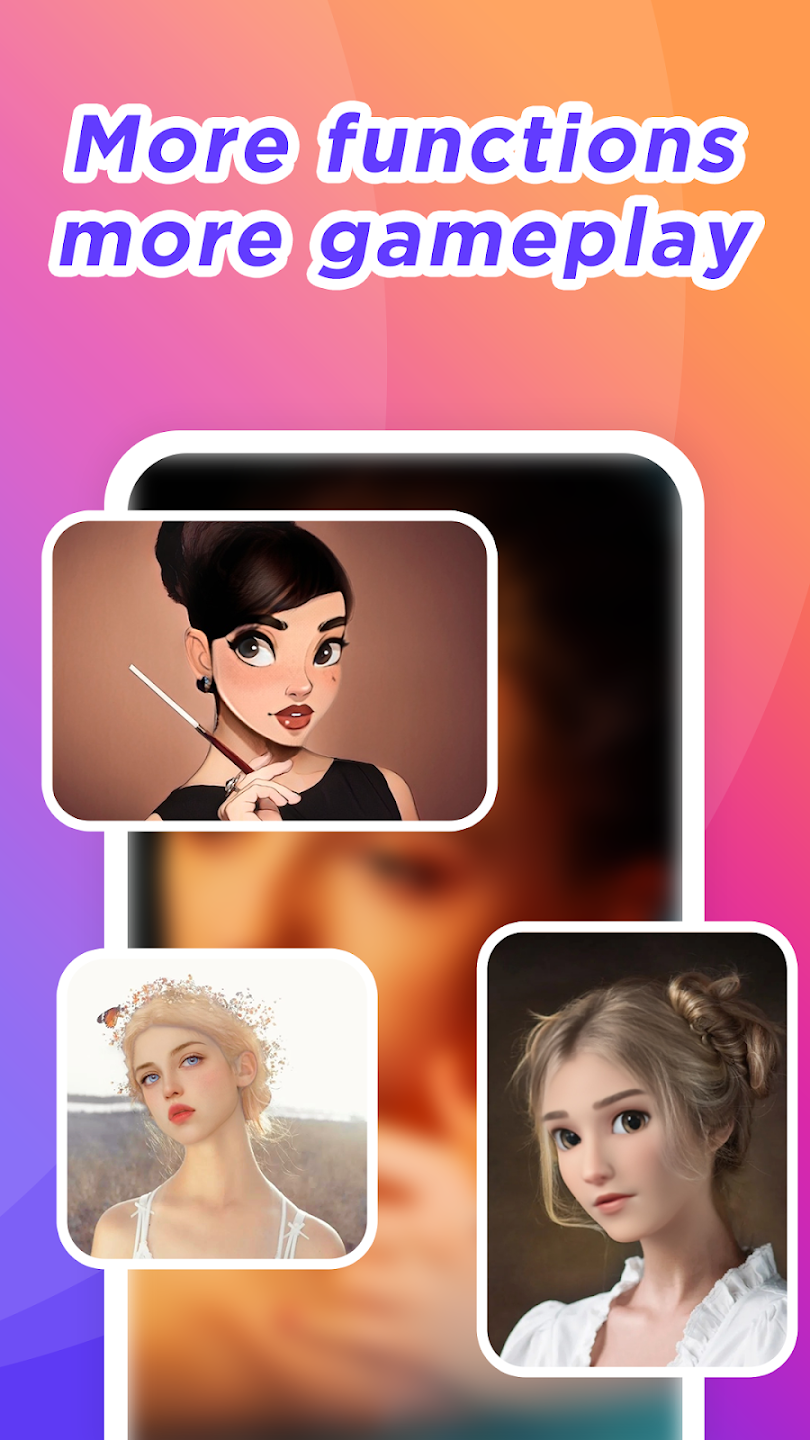
Photo AI utilizes advanced AI technology to easily restore and enhance old, damaged or blurry photos, making your precious memories look like new.
Using AI technology, Photo AI easily repairs damaged photos and restores blurry or low-resolution images with just one click.
Transforms your photos into the popular American comic style, adding fun and amusement.
Uses AI technology to make your photos dynamic and interesting.
Beautifies your portrait photos by enhancing facial features, presenting your natural beauty in unprecedented ways.
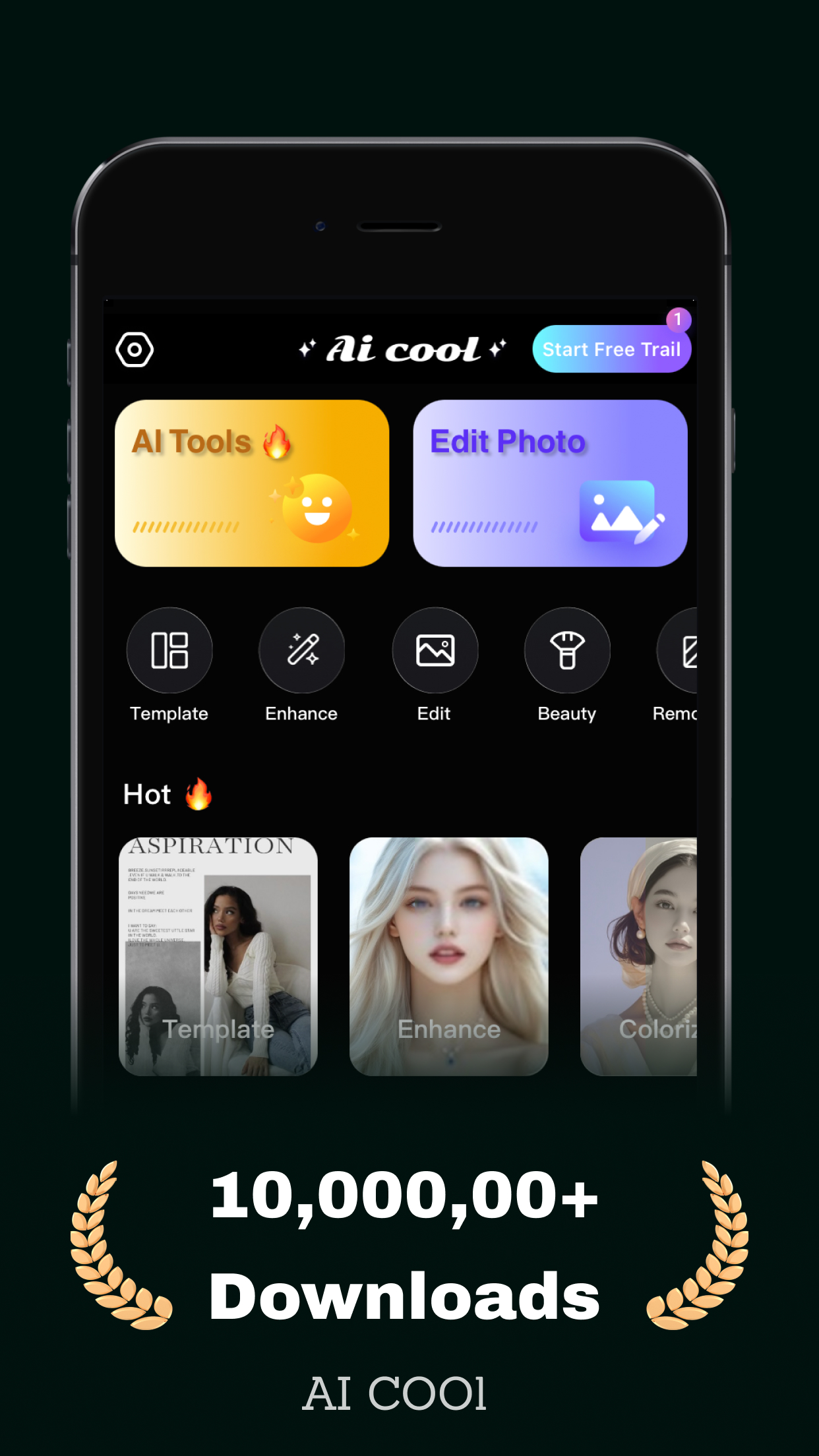
Unleash your creativity with our cutting-edge image editing app that puts a powerful suite of tools right at your fingertips.
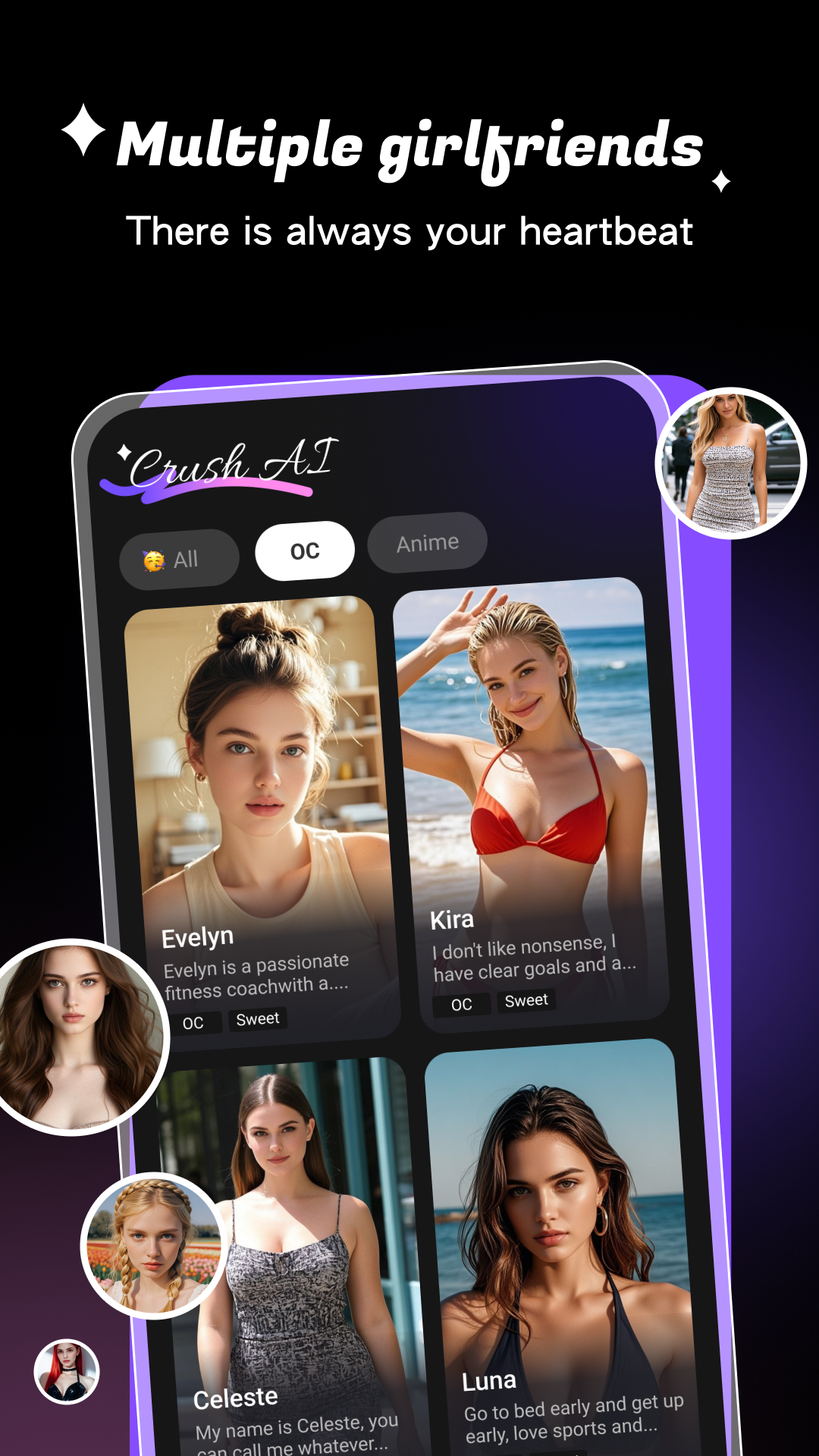
Tired of boring conversations?
Want a sweet, caring AI girlfriend who's always there for you?
Experience Crush AI — the virtual partner app designed just for you. Let the spark begin and never wait for love again!
Historically, the studio system was defined by industrial efficiency. The “Golden Age” of Hollywood, dominated by MGM, Warner Bros., and Paramount, operated on a factory model. Studios owned the soundstages, employed the actors under long-term contracts, and controlled the distribution pipelines. A production like The Wizard of Oz (1939) was not merely a film; it was a product of MGM’s vertical integration, designed to maximize profit across theaters, merchandise, and star power. However, this efficiency came with a rigid gatekeeping function. The studios, governed by the conservative Hays Code, dictated what could be shown, whose stories were worth telling, and who could tell them. For decades, the popular imagination was filtered through a narrow lens—predominantly white, heterosexual, and American—not because other stories didn’t exist, but because the studios’ economic calculus deemed them unprofitable.
The release of "Unseen Moments" serves several key strategic functions for the studio: BrazzersExxtra - Brazzers House 2 Unseen Moments
: Owned by Comcast, it focuses on high-budget franchises and prestigious animation. Core Units : Universal Pictures and Focus Features. Historically, the studio system was defined by industrial
Yet this democratization carries its own risks. The streamers’ voracious appetite for content has led to a “peak TV” landscape where productions are often canceled after one season if they do not immediately capture a mass audience. Furthermore, the algorithmic logic of studios—optimizing content based on what viewers have already watched—can lead to a conservative, iterative approach to storytelling. We see endless reboots, prequels, and IP extensions (from Star Wars to Lord of the Rings ) because the data suggests that familiarity is the safest investment. In this sense, the modern studio remains a gatekeeper, not of morality or politics, but of attention span and algorithmic risk. A production like The Wizard of Oz (1939)
The decline of the studio system in the 1960s gave way to the era of the “blockbuster,” best exemplified by the partnership between director Steven Spielberg and producer Frank Marshall at Universal and Paramount. Yet the true evolution came with the rise of the modern franchise studio, epitomized by Marvel Studios. Under the leadership of Kevin Feige, Marvel perfected the art of serialized, interconnected storytelling. A production like Avengers: Endgame is not a standalone film but the culmination of over twenty interconnected narratives. This model has transformed the very nature of production: studios no longer simply finance movies; they curate “cinematic universes” and transmedia ecosystems. The Disney-Fox merger of 2019 demonstrated that the most valuable asset a studio can own is not a single film but a library of intellectual property (IP) capable of generating sequels, spin-offs, theme park attractions, and merchandise for decades.

team@xphotokit.com